Plastic fasteners have emerged as a preferred choice for engineers, manufacturers and DIY enthusiasts alike. Volt Industrial Plastics has articulated several compelling arguments underscoring why plastic is superior to metal in many applications, particularly in construction and manufacturing. But what makes them stand out?
Lightweight and Durable
Unlike traditional metal fasteners, plastic fasteners offer a lightweight yet durable alternative. This makes them ideal for applications where weight reduction is crucial without compromising on strength.
Corrosion Resistance
One of the significant advantages of plastic fasteners is their resistance to corrosion. This makes them suitable for use in outdoor environments, marine applications and industries where exposure to moisture or chemicals is a concern.
Customization Options
Plastic fasteners can be tailored to meet specific design requirements. From different shapes and sizes to color options, customization allows for greater flexibility in product development and branding. This flexibility allows for the elimination of post-production processes like painting or laser marking, further reducing costs and manufacturing time.
Durability and Strength
Despite common misconceptions, plastic can match or even exceed the strength and durability of some metals. Specialized design techniques enable the production of plastic parts that offer similar or superior physical and chemical properties to their metal counterparts. Moreover, plastic parts are corrosion-resistant, non-conductive, UV resistant, and have a longer lifespan, often lasting up to six times longer than metal in similar applications.
Environmental and Operational Advantages
Plastics are non-magnetic, non-toxic, and can withstand extreme temperatures, making them invaluable in various industrial applications where these properties are essential.
Cost-Effective
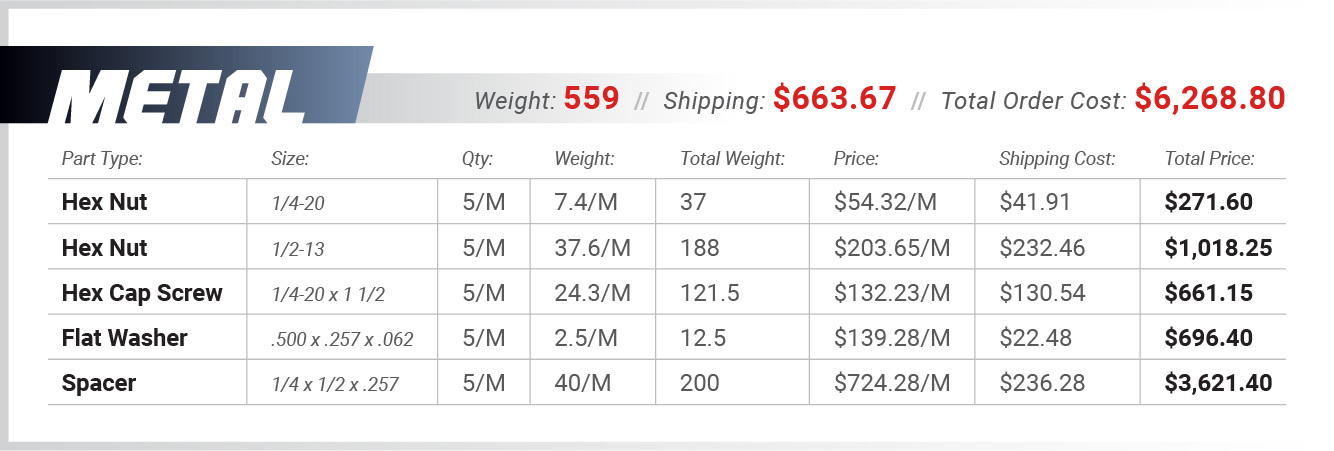
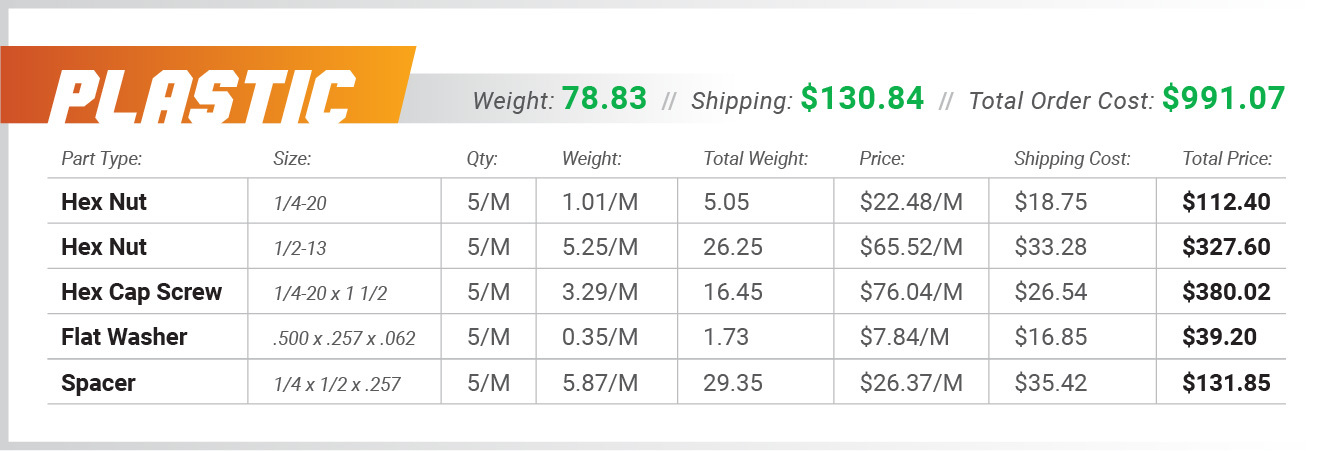
Plastic fasteners are more cost-effective than their metal counterparts, offering savings in both material and production costs without sacrificing performance. Plastic materials are generally more affordable to produce in large quantities compared to metals, potentially leading to savings of 25-50% when substituting metal parts with plastic ones. This cost-saving aspect is partly due to the ability to replace multiple metal components with a single plastic part, reducing the need for additional fasteners and assembly efforts.
Applications Across Industries
The versatility of plastic fasteners extends across a wide range of industries, including but not limited to:
> Automotive
> Funeral
> Electronics
> Furniture
> Communications